
Popular Materials For Concrete Installations To Ensure Precision
Select from trusted supplies that help you achieve accurate measurements and strong, durable results.
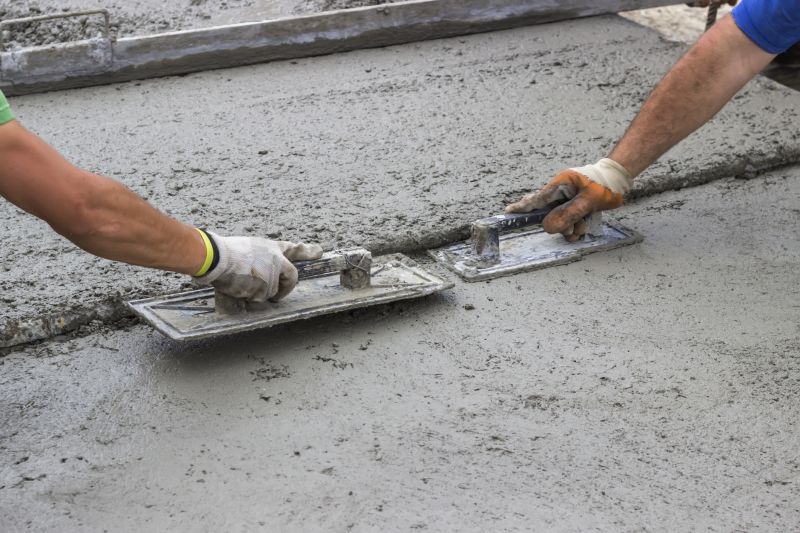 Concrete installations are fundamental to a variety of construction and renovation projects, ranging from patios and driveways to foundations and walkways. Selecting the appropriate products ensures durability, safety, and a professional finish. Whether you're a DIY enthusiast or a seasoned contractor, understanding the range of available products can help you achieve optimal results. Commonly used items include concrete mixes, curing compounds, form liners, and reinforcement materials. Each plays a vital role in the overall success of a concrete project, contributing to the strength, appearance, and longevity of the finished work.
Top Overall Option
Concrete Mixing and Finishing Kit
A comprehensive concrete mixing and finishing kit provides a versatile set of tools suitable for various projects. It typically includes mixers, trowels, floats, and edgers, enabling users to prepare and finish concrete surfaces efficiently. This all-in-one approach helps streamline workflow and ensures consistent results across different types of installations.
Types of Products For Concrete Installations
Concrete Mixes
Pre-blended or custom-mixed concrete used for pouring foundations, slabs, and other structural elements.
Form Liners
Reusable molds that shape the surface of poured concrete for decorative or functional purposes.
Reinforcement Materials
Includes rebar, wire mesh, and fiber reinforcements that add strength to concrete structures.
Concrete Vibrators
Tools used to eliminate air pockets and ensure proper compaction of poured concrete.
Curing Compounds
Products applied to concrete surfaces to retain moisture and promote proper curing.
Sealants and Surface Treatments
Protective coatings that enhance durability and appearance of finished concrete surfaces.
Form Release Agents
Products that facilitate the removal of forms after concrete has set without damaging the surface.
Concrete Edgers and Groovers
Tools for creating clean edges and control joints in concrete slabs.
Concrete Saws
Heavy-duty saws designed for cutting hardened concrete for expansion joints or modifications.
Surface Finishing Tools
Includes trowels, floats, and brushes for achieving desired surface textures.
Concrete Sealers
Products that provide a protective barrier against stains, moisture, and wear.
Form Support Systems
Supports and braces that hold forms in place during concrete pouring.
Concrete Pumps
Equipment that facilitates the placement of concrete in hard-to-reach areas.
Expansion Joints
Materials that allow for movement and prevent cracking in large concrete slabs.
Anchors and Fasteners
Hardware used to secure fixtures and structural elements to concrete surfaces.
Popular Choices
A variety of mixes suited for different load-bearing and finishing needs.
Common reinforcement options for added structural integrity.
Widely used for ensuring proper compaction of poured concrete.
Popular for protecting and enhancing concrete surfaces.
Frequently used to facilitate form removal and surface quality.
Essential finishing tools for smooth and textured surfaces.
Commonly installed to prevent cracking in large slabs.
Popular for cutting and modifying hardened concrete.
Effective options for maintaining moisture during curing.
Widely used to maintain form stability during pouring.
Favored for efficient placement in complex or large-scale projects.
Popular for creating decorative finishes.
Commonly selected for attaching fixtures securely to concrete.
Used for repairing and finishing minor surface imperfections.
Proper preparation is key, which involves selecting the right tools and accessories to facilitate mixing, pouring, and finishing concrete. For instance, concrete mixers and vibrators help achieve uniform consistency and eliminate air pockets, while trowels and floats are essential for smooth finishes. Additionally, products like sealers and surface treatments can protect concrete surfaces from wear and environmental damage over time. Understanding the specific requirements of your project will guide you in choosing the most suitable products.
Safety and quality are paramount when working with concrete products. Always consider the compatibility of materials, ease of application, and drying times to optimize workflow. Investing in high-quality accessories can also reduce labor efforts and improve the final appearance. For larger projects, specialized equipment such as power screeds or automated form systems may be necessary to maintain efficiency and precision. By carefully selecting the right products, you can ensure your concrete installation is structurally sound and visually appealing.
Key Buying Considerations
- Project scale and scope to determine the quantity and type of materials needed.
- Compatibility of products with existing or planned concrete mixes.
- Ease of use and application, especially for DIY projects.
- Drying and curing times to fit your schedule.
- Durability and environmental resistance based on location and exposure.
- Surface finish requirements, whether smooth, textured, or decorative.
- Reinforcement needs for structural integrity.
- Budget constraints and cost-effectiveness of products.
- Availability of replacement parts or accessories.
- Safety features and ease of handling tools and chemicals.
- Compatibility with other construction materials used in the project.
- Long-term maintenance and protection options.
- Manufacturer reputation and product reviews.
- Environmental conditions that may affect curing and setting.
- Regulatory compliance and safety standards.